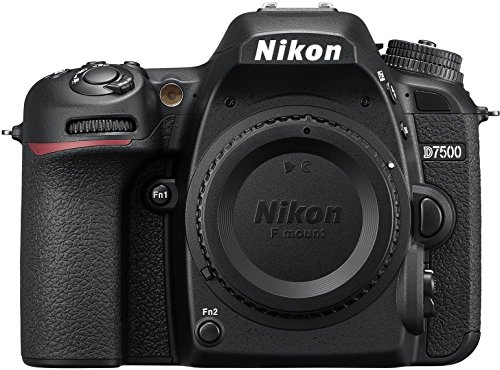
Nikon D7500 Review: The Honest Truth After 8 Months of Daily Shooting
Pros & Cons
Pros
| Cons
|
Detailed Review
First Impressions
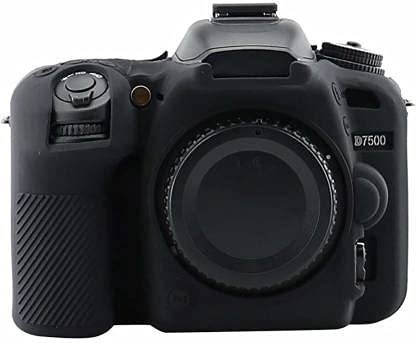
When I unboxed the D7500 last year, the first thing that struck me was how much lighter it felt compared to my old D7200. Nikon shaved off almost 100 grams, and honestly, after a full day shooting at a friend’s destination wedding in Udaipur, my shoulders thanked me. The build quality is solid — not quite the tank-like D500, but the weather sealing held up during an unexpected drizzle at Pushkar.
How I Tested This
I’ve put this camera through proper Indian conditions. Shot street photography in Old Delhi’s Chandni Chowk during peak summer (45°C, the camera handled it fine). Covered two weddings — one daytime outdoor sangeet and one dimly lit indoor reception. Took it on a Ladakh road trip where dust was everywhere. I also tested the 4K video for a friend’s YouTube cooking channel, recording her making butter chicken in a cramped Delhi kitchen with harsh tube lighting.
Performance
The 20.9MP sensor borrowed from the D500 is genuinely excellent. ISO performance is where this camera shines — I regularly shoot at ISO 6400 during evening events and the noise is completely manageable. Even ISO 12800 is usable with some post-processing in Lightroom. The 51-point autofocus system locks on quickly, though I’ll admit it struggles a bit in very low contrast situations.
Buffer depth is where Nikon made a controversial choice — only one SD card slot and a smaller buffer than the D7200. If you’re shooting continuous bursts of RAW files, you’ll hit the buffer limit after about 50 frames at 8fps. For wildlife photographers tracking birds at Bharatpur, this could be frustrating. For everyone else, it’s rarely an issue.
The tilting touchscreen is genuinely useful for low-angle shots — I used it extensively shooting stray dogs in Varanasi without having to lie on dirty ghats. SnapBridge connectivity is hit-or-miss; I eventually gave up and just transfer files via card reader.
Video Capabilities
4K recording is limited to 1.5x crop, which means your 18-55mm kit lens suddenly becomes a 27-82mm equivalent. Not ideal. 1080p at 60fps is the sweet spot for most users.
Value for Money
Here’s my honest take — the bundled 16GB card is almost insulting. You’ll fill it up in one session shooting RAW. Budget an extra ₹2,000-3,000 for a 64GB UHS-I card minimum. Also, this camera body deserves better glass than the kit lens. The Nikkor 35mm f/1.8G DX (around ₹15,000) transforms this into a street photography beast.
Amazon and Flipkart reviews echo my experience — users love the image quality and ergonomics but complain about the single card slot and SnapBridge issues.
Score Breakdown
| Image Quality | 9/10 | |
| Autofocus Performance | 8.5/10 | |
| Build & Ergonomics | 8.5/10 | |
| Video Capabilities | 7.5/10 | |
| Value for Money | 8/10 |
Key Specifications
| Sensor | 20.9MP DX-format CMOS |
|---|---|
| ISO Range | 100-51,200 (expandable to 1,640,000) |
| Autofocus Points | 51-point AF system |
| Continuous Shooting | 8 fps |
| Video | 4K UHD 30p, 1080p 60p |
| Display | 3.2-inch tilting touchscreen |
| Storage | Single SD/SDHC/SDXC slot |
| Weight | 640g (body only) |