Beurer PO 30 Pulse Oximeter Review: Perfect oximeter for home?

Pros & Cons
Pros
|
Cons
|
Detailed Review
First Impressions
I picked up the Beurer PO 30 about eight months ago when my dad was recovering from a respiratory infection, and honestly, the peace of mind it gave our family was worth every rupee. The moment you unbox it, you can tell this isn’t some cheap Chinese import — the build quality feels solid, the clip mechanism is sturdy, and the grey matte finish looks professional. It comes with a lanyard and a small pouch, which I actually use daily to store it in my bedside drawer.
How I Tested This
I’ve used this oximeter on pretty much everyone in my family over the past several months. My father (65, diabetic), my mother (60, mild asthma), my wife, and myself. I tested it during different times — early morning readings, post-walk readings, and even after climbing three floors in our apartment building. I also compared readings side-by-side with a ₹600 Dr Trust model and a hospital-grade oximeter at Apollo clinic during one of dad’s check-ups. The Beurer was consistently within 1-2% of the clinical device, while the cheaper one was off by 4-5% sometimes.
Performance
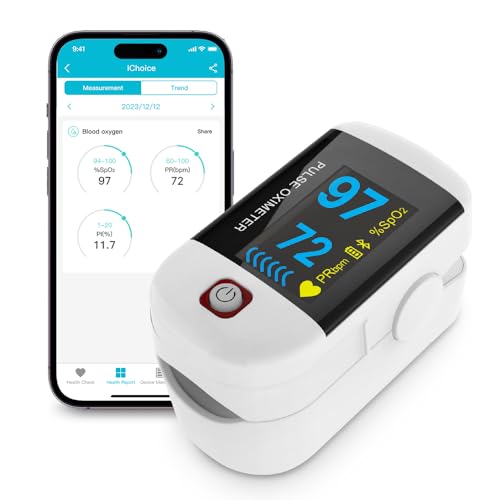
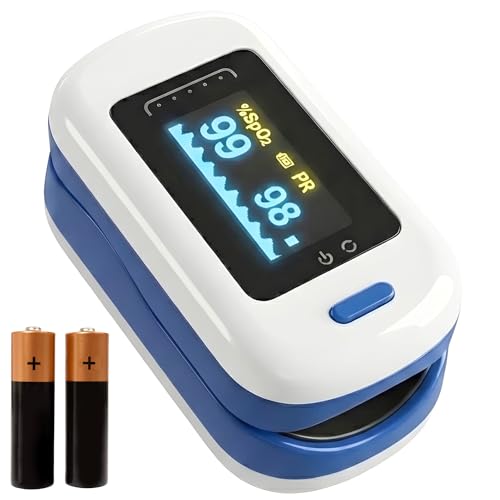
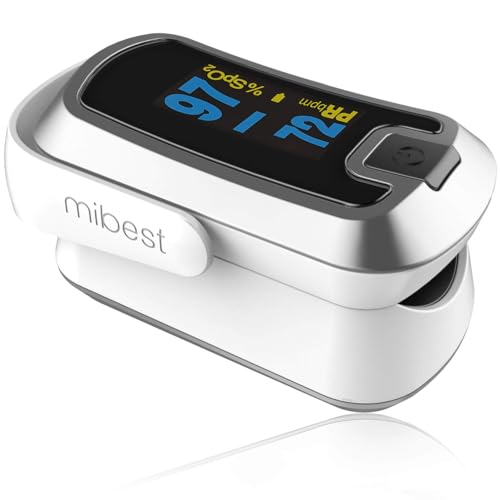
The readings display within 5-6 seconds, showing SpO2 percentage and pulse rate on a clear LED screen. What I appreciate is the auto-rotate display — whether you’re checking your own finger or helping an elderly parent, the numbers flip to be readable. The one-button operation is genuinely idiot-proof. My technophobic mother figured it out without any help. Battery life has been excellent — still running on the original two AAA batteries after 8 months of regular use.
The Not-So-Great Bits
Now, for thicker fingers, the clip can feel slightly tight. My cousin who has larger hands found it uncomfortable after 30 seconds. Also, during peak summer when my hands were sweaty, I noticed occasional erratic readings — you need dry fingers for accuracy. The display brightness is fixed, so reading it in bright sunlight on our balcony was tricky.
Value for Money
At ₹2,500-3,200, this is definitely premium pricing. You can get functional oximeters for ₹500-800 on Amazon. But here’s the thing — when we checked Flipkart and Amazon reviews of budget models, the accuracy complaints were alarming. For medical devices, I’d rather trust a brand with a 3-year warranty and German engineering standards. During COVID, this would have been impossible to find — now it’s readily available and feels like essential home medical kit.
Score Breakdown
| Accuracy | 9/10 | |
| Build Quality | 8.5/10 | |
| Ease of Use | 9/10 | |
| Display Quality | 7.5/10 | |
| Value for Money | 7/10 |
Key Specifications
| SpO2 Range | 70-100% |
|---|---|
| Pulse Rate Range | 30-250 bpm |
| Display Type | LED with auto-rotate |
| Power Source | 2 x AAA batteries |
| Warranty | 3 Years |
| Weight | 57g (with batteries) |
| Auto Shut-off | 8 seconds |
| Brand Origin | Germany |